Our Services

Oral Hygiene services

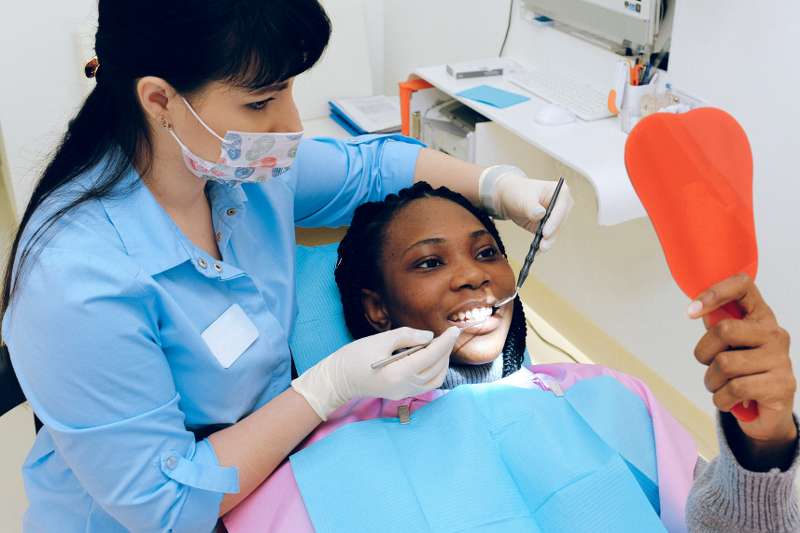
We recognise the importance of healthy gums and teeth in maintaining good oral hygiene. The practice offers thorough examination and treatment of periodontal and gingival decease cases. Services include, oral health education, scaling and polishing of teeth and fluoride treatments. The practice also has a periodontist which can provide more specialized treatment options including, Biopsies of oral lesions, Crown lengthening procedures, Implantology and maintenance (including CBCT treatment planning).

Aesthetic Dentistry

Aesthetic dentistry is mostly focussed on improving the colour, size, shape, position and alignment of the teeth as well as the overall appearance of your smile. The procedures may range from simple; minimally invasive procedures as direct build up to correct misaligned teeth, to more complex treatment which may require additional improvement with function eg. Chewing

Teeth whitening

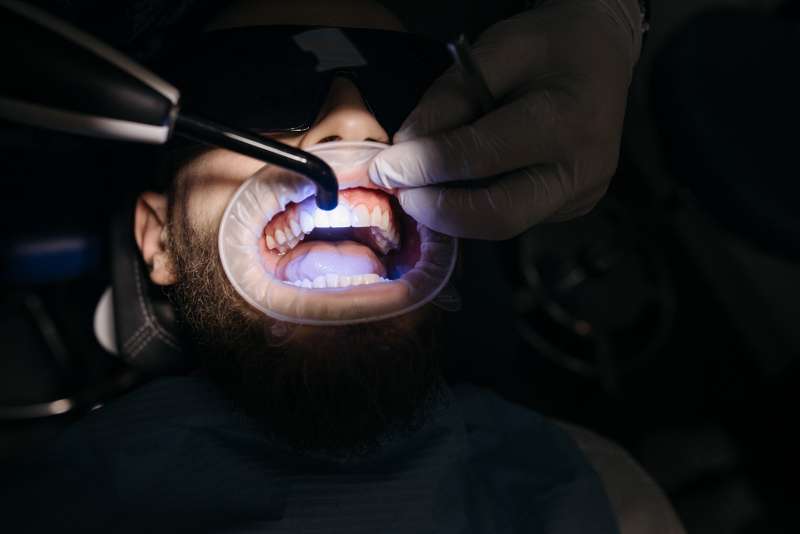
Our teeth may become stained or discoloured due to a variety of causes. Some of these are the use of tobacco products, foods, beverages, and use of certain medications. In office Professional tooth whitening procedures are efficient to improve your overall appearance and smile.

Dental Veneers

Veneers are thin overlays of a hard material like porcelain, designed to fit over your teeth. They can improve the color, size, shape, and even the strength of your existing teeth. They can provide a vast improvement to your smile, without requiring any changes to the existing structure of your natural teeth.

Dental Implants

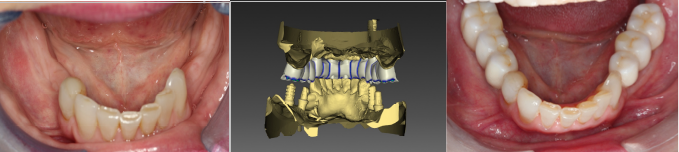
A dental implant is a titanium device that resembles a tooth’s root. It is placed in the bone beneath the gingiva to support restorations that resemble a tooth or group of teeth to replace missing teeth. Dental implants can be used to support several dental prostheses, including crowns, implant-supported bridges or dentures. Dental implants have become the standard of care for the replacement of teeth because dental implants allow a missing tooth (or teeth) to be restored to optimum function and appearance without invading or damaging any other teeth or tissues

Restorative dentistry

Restorations that are classified under this category of treatment are dental fillings, veneers, inlays, onlays, crowns and bridges. They can be constructed from a variety of materials, e.g. porcelain, ceramic, composite resin and metal. The use of inlays, onlays, crowns and bridges are mainly indicated when a tooth has a cavity that is too large to restore with a conventional restoration/filling. Veneers and crowns can also restore or improve dental aesthetics. Prosthodontists undergo extensive training to fabricate these restorations to approach a perfect fit to the tooth. Sometimes the restorative challenges are more complex, involving the restoration of many, or even all teeth. In these cases, the patient will require a full mouth reconstruction/restoration based of a specific treatment plan designed for the individual patient.

Dentures/false teeth (full-sets or Partial)

Dentures (also known as false teeth) are constructed to replace missing teeth and are supported by the underlying soft tissue and hard tissues of the mouth. Conventional dentures are removable and can either be a complete full set (no teeth remaining) or partial dentures (teeth remaining). The design of the denture can be modified by your prosthodontist depending on the number and quality of remaining tooth structure and the level of retention the patient desires. Denture designs can include bonding or clasping onto teeth, or they can be constructed on implants to improve the retention of the denture in the mouth. Depending on the specific patient’s diagnostic information received we can also construct dentures on implants within 48 hours – 1 week of teeth extractions and implants placed. This ensures that the patient does not have to be without any teeth/prosthesis for long periods after the teeth are extracted.

Root Canal treatment

Extensive tooth decay, trauma and infectious disease can cause Injury to the nerve supply of a tooth which results in pain, swelling, hypersensitivity and abscess formation. Prosthodontists receive in depth training in the diagnosis and treatment of the pulp/nerve of the tooth and can perform root canal treatments in order to eliminate these symptoms. Depending on the level of tooth destruction additional restorative treatment may be required to build up to tooth eg a direct (chairside) filling with resin material or an indirect (laboratory fabricated) inlay, onlay or crown.

Dental Implants

A dental implant is a titanium device that resembles a tooth’s root. It is placed in the bone beneath the gingiva to support restorations that resemble a tooth or group of teeth to replace missing teeth. Dental implants can be used to support several dental prostheses, including crowns, implant-supported bridges or dentures. Dental implants have become the standard of care for the
replacement of teeth because dental implants allow a missing tooth (or teeth) to be restored to
optimum function and appearance without invading or damaging any other teeth or tissues

Temporomandibular joint Disorders

Temporomandibular disorders are a group of conditions affecting the temporomandibular joints (TMJ-connects to the lower jaw and skull), the jaw muscles, and the related structures. Symptoms associated with TMJ disorders may be, Biting or chewing difficulty or discomfort, Clicking, popping, or grating sound when opening or closing the mouth, earache, headache, Jaw pain or tenderness of the jaw and reduced ability to open or close the mouth.Treatment offered by the Prosthodontist include Restoration of the occlusal surfaces of the teeth, providing new dentures, Occlusal/bite Splint therapy and pain relief.
Maxillofacial Prosthodontics

Maxillofacial prosthodontists treat patients who have acquired and congenital defects of the head and neck due to cancer, surgery, trauma, and/or birth defects. Maxillary obturators, Speech-aid prosthesis and Mandibular-Resection prostheses are the most common prostheses planned and fabricated. Other types of prostheses include artificial eyes, nose and other facial prostheses fabrication. Treatment is multidisciplinary involving prosthodontists, oral and maxillofacial surgeons, plastic surgeons, head and neck surgeons, ENT doctors, oncologists, speech therapists, occupational therapists, physiotherapists, and other healthcare professionals.

Tooth wear and Bruxism treatment

Tooth surface loss, describes tooth wear, which is irreversible loss of dental hard tissues, that results from causes other than dental caries, trauma or as a result of<br>developmental disorders. Naturally with age there is a physiological process of tooth surface loss,<br>however pathologic tooth wear is an abnormal destructive process that would mainly require<br>restorative treatment. Bruxism is “a repetitive jaw-muscle activity characterized by clenching or grinding of the teeth and/or by bracing or thrusting of the mandible. The management of patients with tooth surface loss can be quite challenging. The role of the prosthodontist is important as these patients needs complex restorative care to replace the missing tooth structure. Treatment options include direct bonding with restorative materials, indirect fixed restorations, including crowns, bridges and implants as well and removable options eg specialized dentures.